- 50%
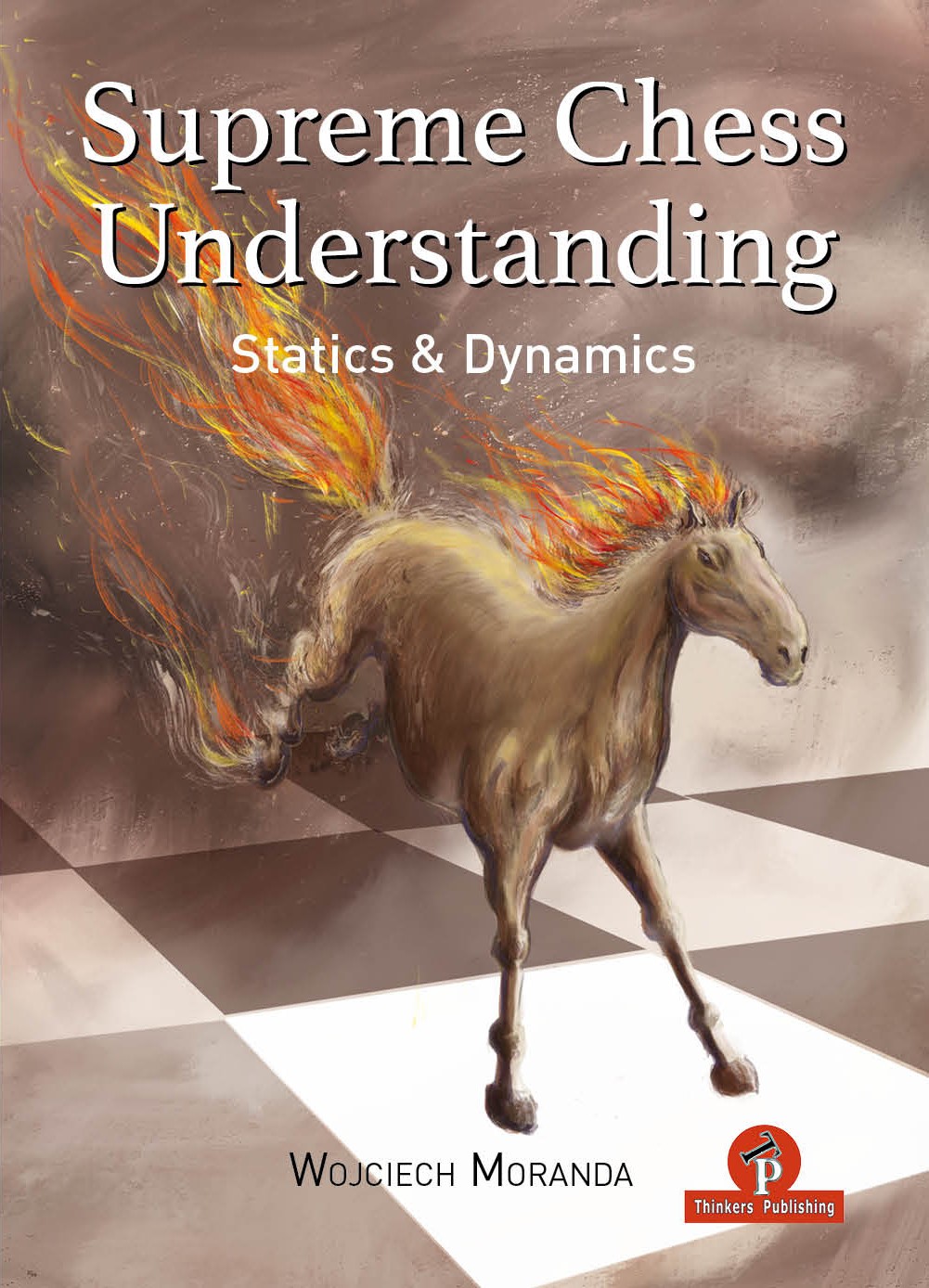
Supreme Chess Understanding – Statics & Dynamics
380 SEK190 SEK
Lägsta pris de senaste 30 dagarna380 SEKVarje år ges det ut ungefär två schackböcker som sticker ut.Från 2023 års utgivning finner vi den "Supreme Chess Understanding" av den polske stormästaren Wojciech Moranda. Han driver tesen att man kan dela in schack i de tre elementen tid, material och koordination. Znosko-Borovsky talade om "Space, time and force". Lite närbesläktat. Men det intressanta är att Moranda använder ordet koordination. Kasparov använde ofta det ordet när han var ung. Koordination har jag märkt är ett ord som inte alla omedelbart förstår i schack. Jag försöker kanske förklara med ord som pjäser som samarbetar bra. Eller pjäser som synkroniserar. Hur som helst. I en ställning som är i övrigt lika (tid, material) så betyder koordination allt. Hur övar vi upp känslan för koordination? Ett enkelt svar på den frågan är: - Läs gärna Morandas bok!
Han ger oss 65 ställningar att öva på. Från ganska svåra till svåra och avslutningsvis "omöjliga"!Övningarna handlar ibland om hur vi skapar koordination och ibland hur vi hindrar motståndaren från att koordinera. I många av ställningarna är man pressad och behöver hitta ett bra drag, eller det klart bästa draget, annars är det adjö. I stort sett illustrerar alla övningar bokens poäng. Även om man inte löser uppgiften får man mycket med sig när man går igenom hans svar. Och här kommer bokens stora behållning. Moranda! Han är mycket intelligent, beläst och har mängder med humor. Hans svar går noga igenom alternativen. Man blir inte lämnad ensam. Ju mer man läser av Moranda desto mer gillar man honom.
En bieffekt av att läsa den här boken är att man även tränar på sin tajming. "Chess is all about Timing" som BF sa.
Boken lämpar sig för spelare från 1800 och uppåt. (Annars blir nog övningarna för svåra, men som lärobok funkar den även för lägre rankade spelare, dvs man studerar enbart svaren först och gör övningarna sedan.)
av GM Wojciech Moranda
2023, 242 sidor
- Betala säkert med kort
- Maila oss, vi svarar snabbt!
- 30 dagars öppet köp
Saknar du en artikelgrupp? Kontakta oss och berätta!
Beskrivning
Art.nr: 9789464201772
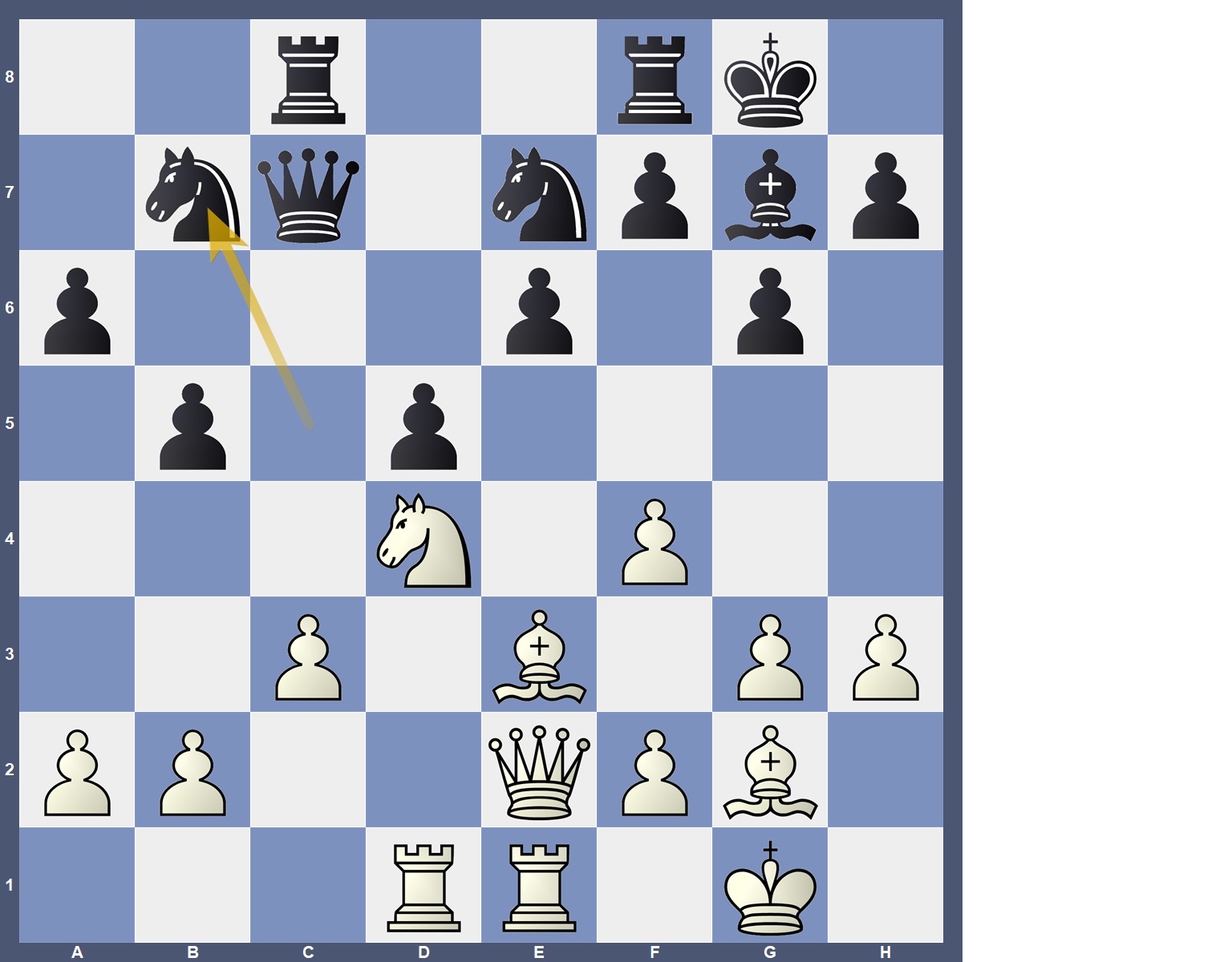
Låt oss kika på två exempel från boken:
Här har vi en ställning där vit enkelt kan komma sämre ifall han gör t.ex 1.a3 eller 1.Ta1. Löparna riskerar att bli instängda. Men om vit spelar 1.g4! med idén f5 i nästa drag frigör han löparnas potential och vi får en ställning med full kamp!
Ett bra exempel, ty det är inte allom givet att man förstår att g4-f5 är vits bästa fortsättning. Mycket lärorikt!
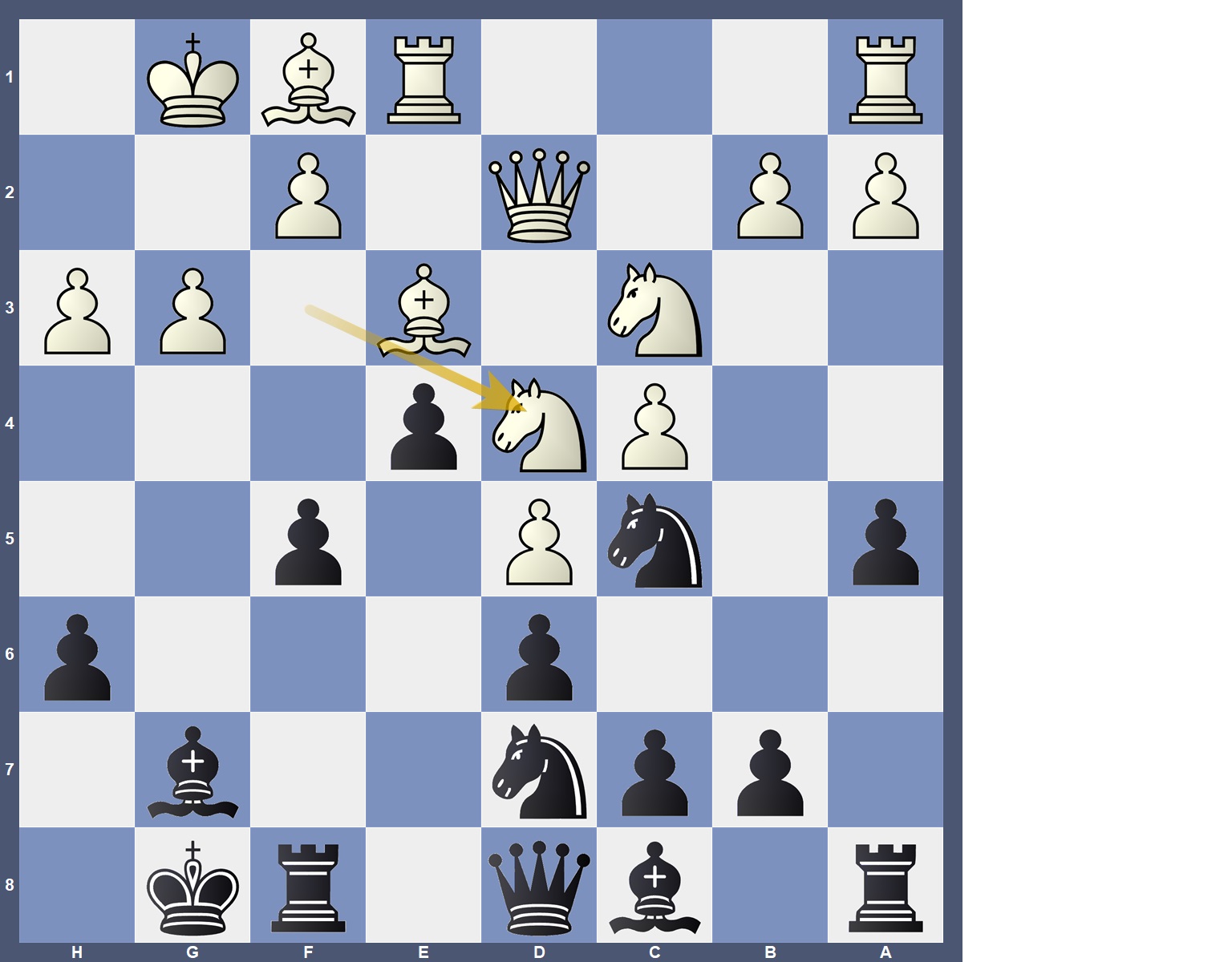
Ställning 2:
OK. Vi är svart. Vit hotar bonden på h6. Moranda skriver:
There are three types of chess players in the world. First, the ones who believe it to be imperative to defend the h6-pawn. These persons still need to train some more in order to get within striking distance of the GM title. Second, the ones who seriously consider the text move but start wondering whether their initiative is going to be enough to compensate for the missing material. those players, on the other hand, mistakenly consider the text move to be a "sacrifice". The third group of players will play 19...Ne5! without really noticing that they are sacrificing anything because they understand that the arising position is not about material anymore.
Om man litar på Moranda och ej tillhör kategori tre så fattar man direkt att man behöver förändra sin schackliga förståelse.
Från baksidan:
The distinction between strategy and tactics is one of the first things any chess player learns about, but have you ever heard about statics and dynamics before? Did you know that nearly every critical decision you take in a game of chess is governed by the rules of the so-called static/dynamic balance? If not, for the sake of your own chess development, you might want learn more about it from this very book!
In ‘Supreme Chess Understanding: Statics & Dynamics’, GM Moranda meticulously explains rules governing the physics of the game, focusing in particular on the interplay between static and dynamic factors. In today’s dog-eat-dog chess world it is namely not enough to know the general principles, but rather to grasp when, how and why can these be bent… or even broken. Thanks to the knowledge gained by studying this work, navigating through the maze of positional transformations is going to become a piece of cake!
The 65 carefully selected exercises are going to make your chess senses tingle with learning excitement. Apart from that, you shall also benefit from the massive amount of practical advice and psychological tips provided by the author. Finally, the book’s quiz format will make the study process not only fruitful, but above all fun!
Filer och media
 | Bifogad fil |